
The Role of Luck and Randomness
When it comes to casinos, luck plays an undeniable role in the outcome of games. Every spin of the slot machine or roll of the dice is driven by chance, leading many to believe that success is a mere stroke of luck. However, the psychology behind this phenomenon reveals that while randomness is a crucial factor, it also heavily influences players’ emotions and behaviors. This interplay between luck and psychological responses can create an exhilarating experience for gamblers, including those who explore bitcoin sports betting sites.
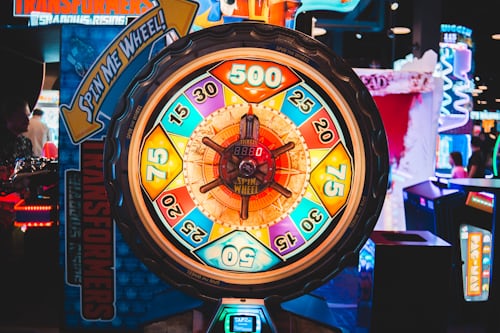
Gamblers often find themselves caught in a cycle of hope and disappointment as they chase their next win, which further complicates their relationship with luck. This can lead to cognitive biases such as the illusion of control, where players believe they have a greater influence over the game than they actually do. Understanding this aspect of gambling psychology can help illuminate both the thrill and the risks associated with casino games.
The Impact of Decision-Making
Successful gambling often hinges on the decisions players make, influenced by emotions, past experiences, and even social interactions. When faced with choices, players may rely on intuition or gut feelings rather than strategic thinking. This can lead to impulsive bets that deviate from rational decision-making, affecting their overall success in the casino environment.
Moreover, social dynamics can further shape decision-making processes. Whether it’s the presence of friends or the atmosphere of the casino, these factors can enhance or hinder a player’s ability to make sound choices. Thus, understanding the psychological aspects of decision-making is crucial for those aiming to improve their chances of winning in casinos.
The Influence of Environment and Atmosphere
The casino environment plays a significant role in influencing players’ psychology and behavior. Bright lights, captivating sounds, and the overall ambiance are designed to create an exciting and immersive experience. This sensory overload can heighten emotions and lead to impulsive betting behavior, often overriding the rational thoughts that may encourage caution.
Research indicates that certain colors and designs can evoke specific feelings, further impacting how players perceive their chances of winning. For instance, warm colors may stimulate excitement, while cooler tones could induce a sense of calm. By understanding how the environment affects psychological responses, players can better navigate their experiences in casinos and enhance their decision-making strategies.
The Quest for Social Validation
Social validation is another powerful driver behind gambling behavior. For many, the thrill of winning is not only about financial gain but also about gaining recognition and approval from peers. This desire for social validation can lead to competitive behavior, where players may increase their stakes to impress others or to maintain a status within their social circles.
The camaraderie built among gamblers can create a community that thrives on shared experiences, which can both positively and negatively influence individual outcomes. While social support may enhance enjoyment and perpetuate a sense of belonging, it can also lead to unhealthy gambling habits as individuals try to assert their status among friends or peers.
Secure Gambling and Responsible Play
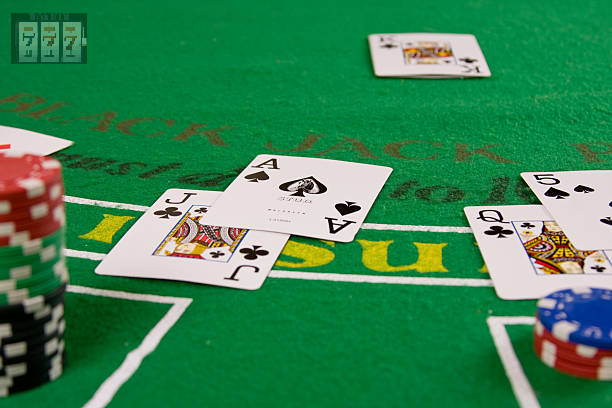
Our website is dedicated to promoting secure and responsible gambling practices. We understand the psychological factors that can influence behavior in casinos, emphasizing the importance of awareness and safety in the gambling experience. By providing resources and support, we aim to empower players to make informed choices while enjoying their time at casinos.
We prioritize user security and a safe online environment, ensuring that our platform protects against potential threats. If you encounter any issues or require assistance, our support team is always ready to help, fostering a responsible gambling approach that emphasizes well-being and enjoyment in your gaming experience.